Mold Exposure Symptoms Grand Rapids Homeowners Shouldn’t Ignore
How hidden mold in your Grand Rapids home could be making you sick
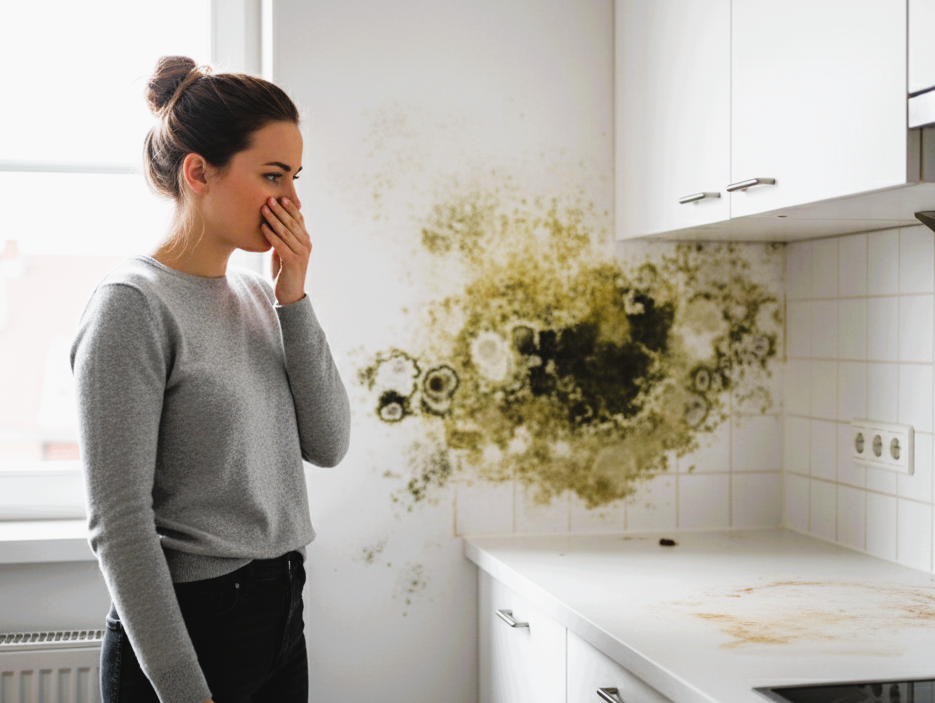
Ever walked into your basement after a big Michigan rainstorm and thought, “What’s that musty smell?” Or maybe your allergies just won’t quit—even in the dead of winter when pollen isn’t a thing. If that sounds familiar, you’re definitely not alone.
Here in Grand Rapids, we’ve got the perfect recipe for mold: humid summers, damp basements, and plenty of older homes that hold on to moisture. And once mold shows up, it doesn’t just stay tucked away in a dark corner. It can sneak into your daily life and affect how you feel—sometimes in ways you wouldn’t expect.
The problem is, a lot of people mistake mold exposure for “just allergies” or “another cold.” But ignoring it means breathing in mold spores day after day, and that can slowly wear down your health. Let’s break down the most common symptoms you’ll want to keep an eye on—plus what to do if you think mold is the culprit.
10 Symptoms Mold Might Be Behind
1. Breathing Feels Harder at Home
A cough that won’t quit or wheezing that pops up in certain rooms? Mold spores can irritate your lungs, especially in poorly ventilated spaces like basements.
2. A Stuffy Nose That Never Clears Up
If you’re dealing with congestion year-round, mold could be behind it. Constant sinus pressure is a big red flag.
3. Eye Irritation Indoors
Red, itchy, or watery eyes that flare up at home may not be allergies—they could be your body reacting to mold.
4. Skin Issues
Rashes, hives, or even dry, itchy skin sometimes point back to mold exposure, whether through contact or breathing it in.
5. Constant Fatigue
This isn’t your typical “busy week” tired. Mold can sap your energy, leaving you drained no matter how much you sleep.
6. Brain Fog
Forgetting what you were about to do or struggling to focus? If it’s happening often, mold might be playing a role.
7. Frequent Headaches
Headaches that come on strong when you’re home but ease up when you’re away could be tied to mold in your air.
8. Stomach Upset
Some people experience bloating, nausea, or cramps from long-term mold exposure—it doesn’t just affect your lungs.
9. Asthma Flare-Ups
If someone in your home has asthma, mold can make symptoms worse and trigger more frequent attacks.
10. Odd Symptoms That Don’t Make Sense
From tingling in your hands to unexplained weight changes, mold exposure doesn’t always follow the rulebook. If you feel better after leaving home for a few days, that’s a big clue.
Signs Your Home May Have Mold
Even if your health feels fine, your house might be giving you hints:
- A musty smell that never goes away
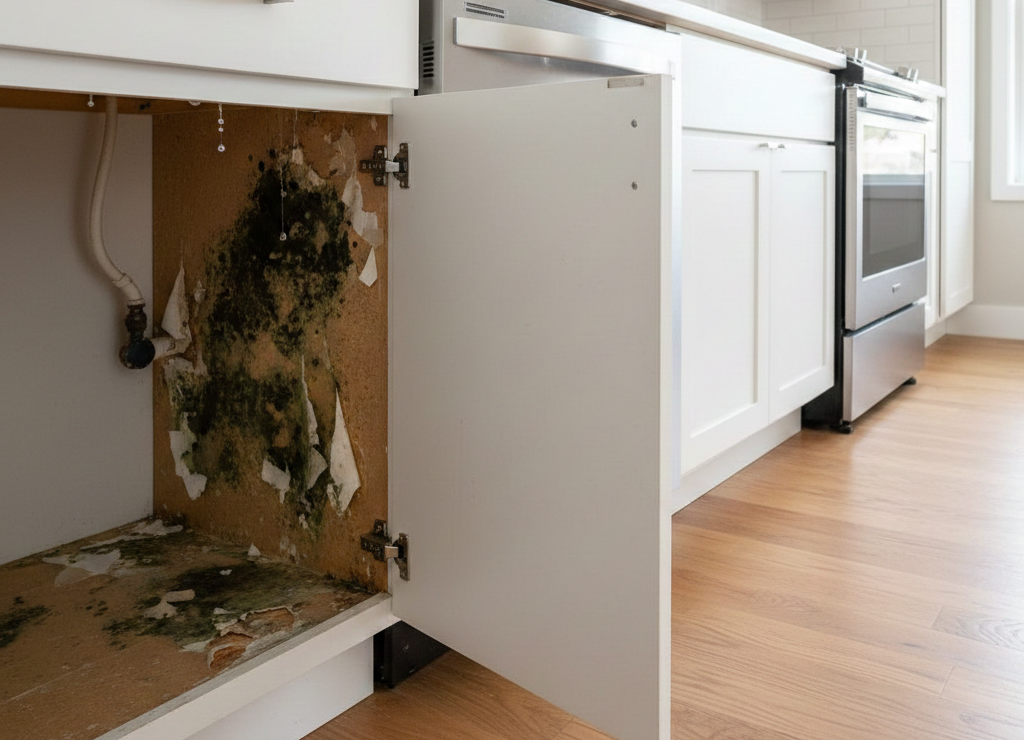
- Water stains, peeling paint, or warped walls
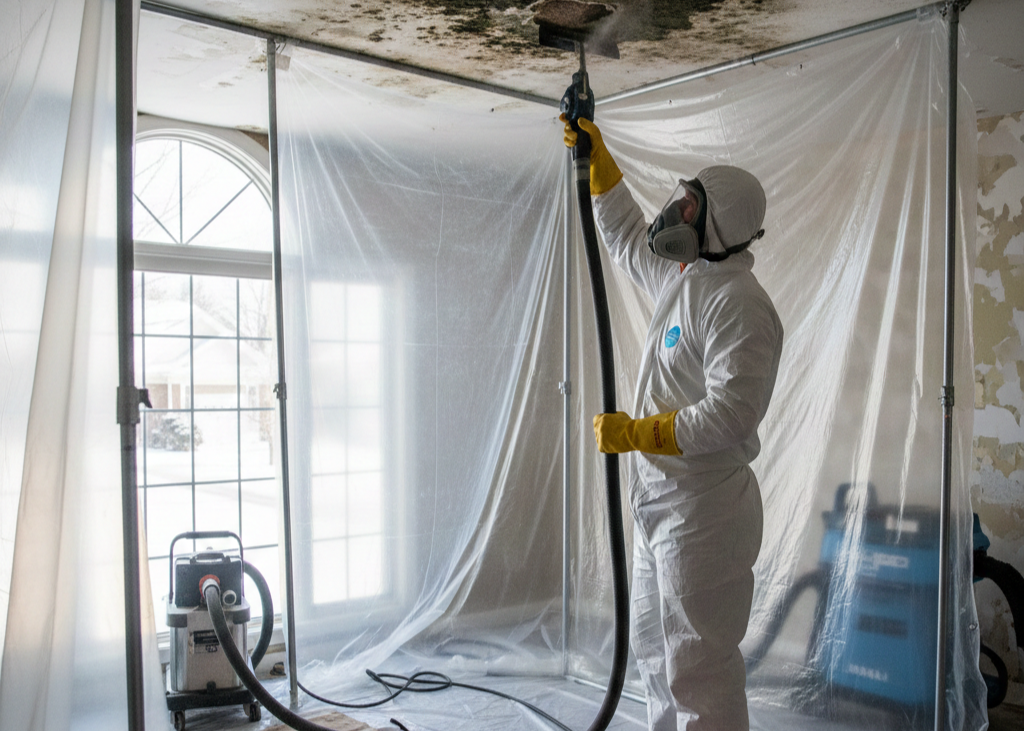
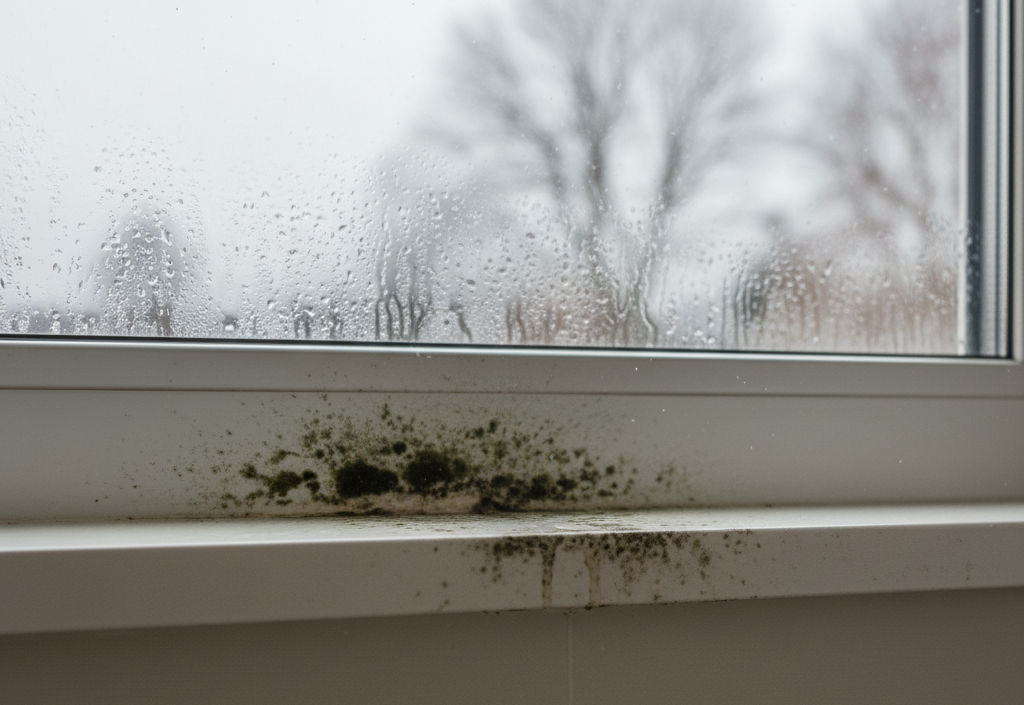
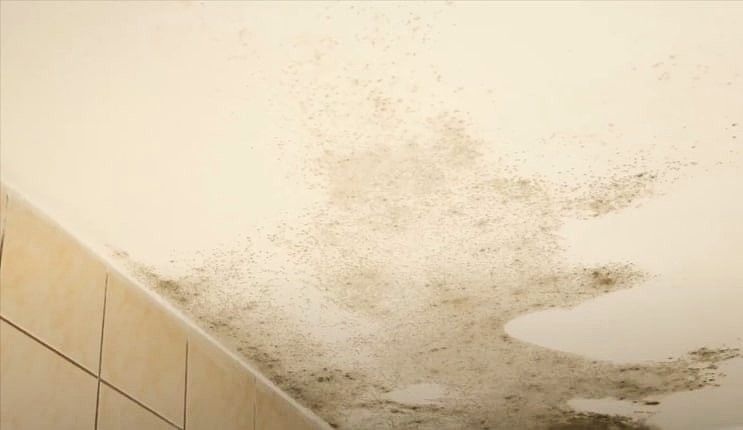
- Visible mold spots in basements, bathrooms, or ceilings
- Everyone feeling better after a weekend away
Why Mold Matters in Grand Rapids
Our mix of wet weather and older homes makes Grand Rapids a hotspot for mold growth. Once it gets going, mold spreads fast and won’t just “dry up” on its own. The longer you wait, the tougher—and costlier—it becomes to get rid of.
What You Can Do Right Now
- Run a dehumidifier in damp areas like basements
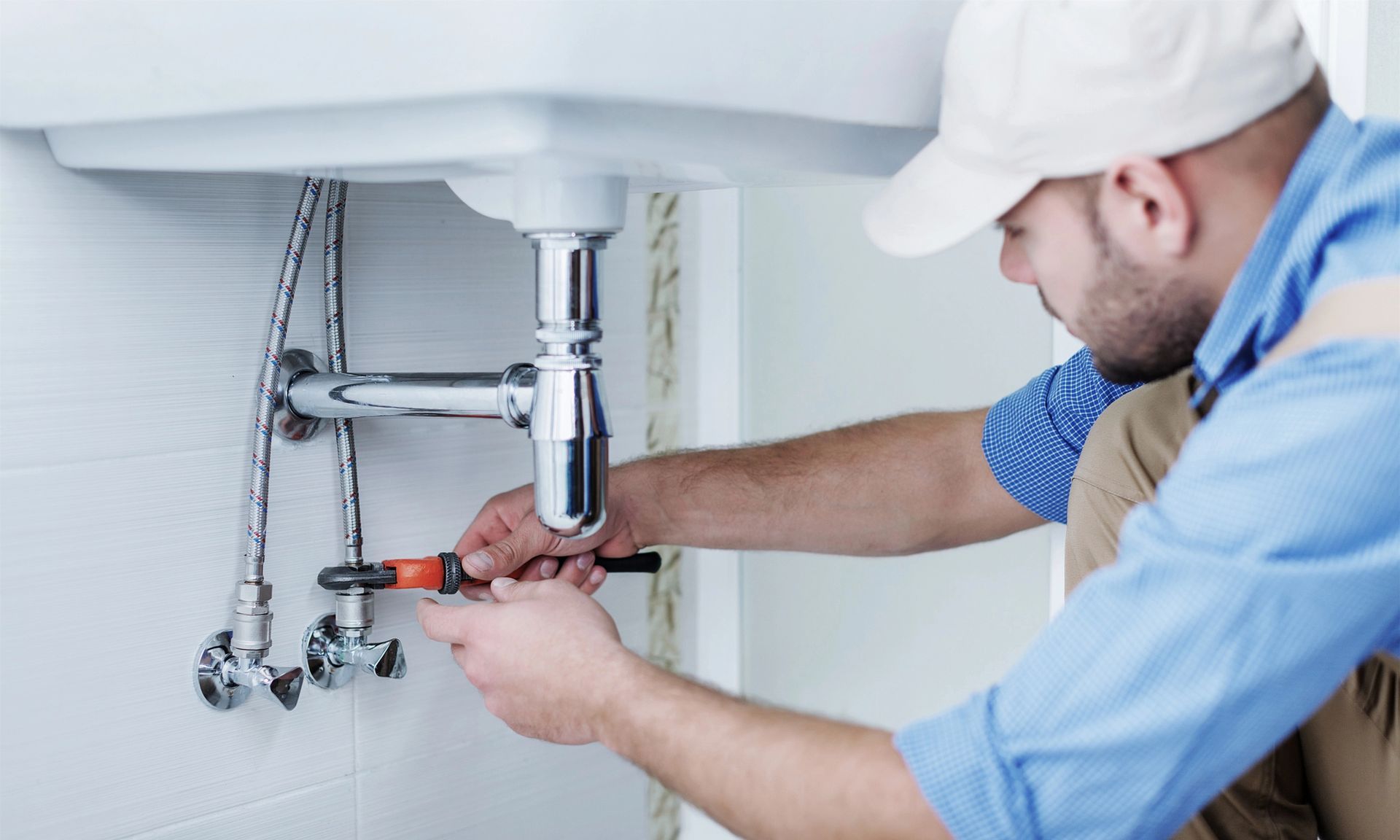
- Fix leaks as soon as you spot them (roof, plumbing, or foundation cracks)
- Use exhaust fans in kitchens, bathrooms, and
laundry rooms
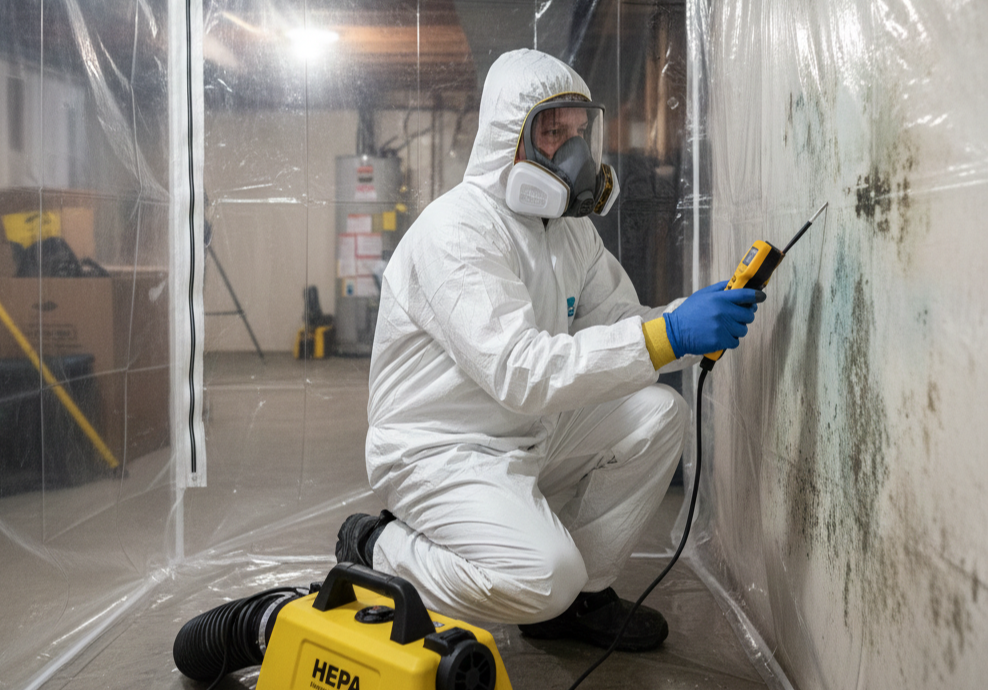
- Try a HEPA air filter to clean the air you breathe
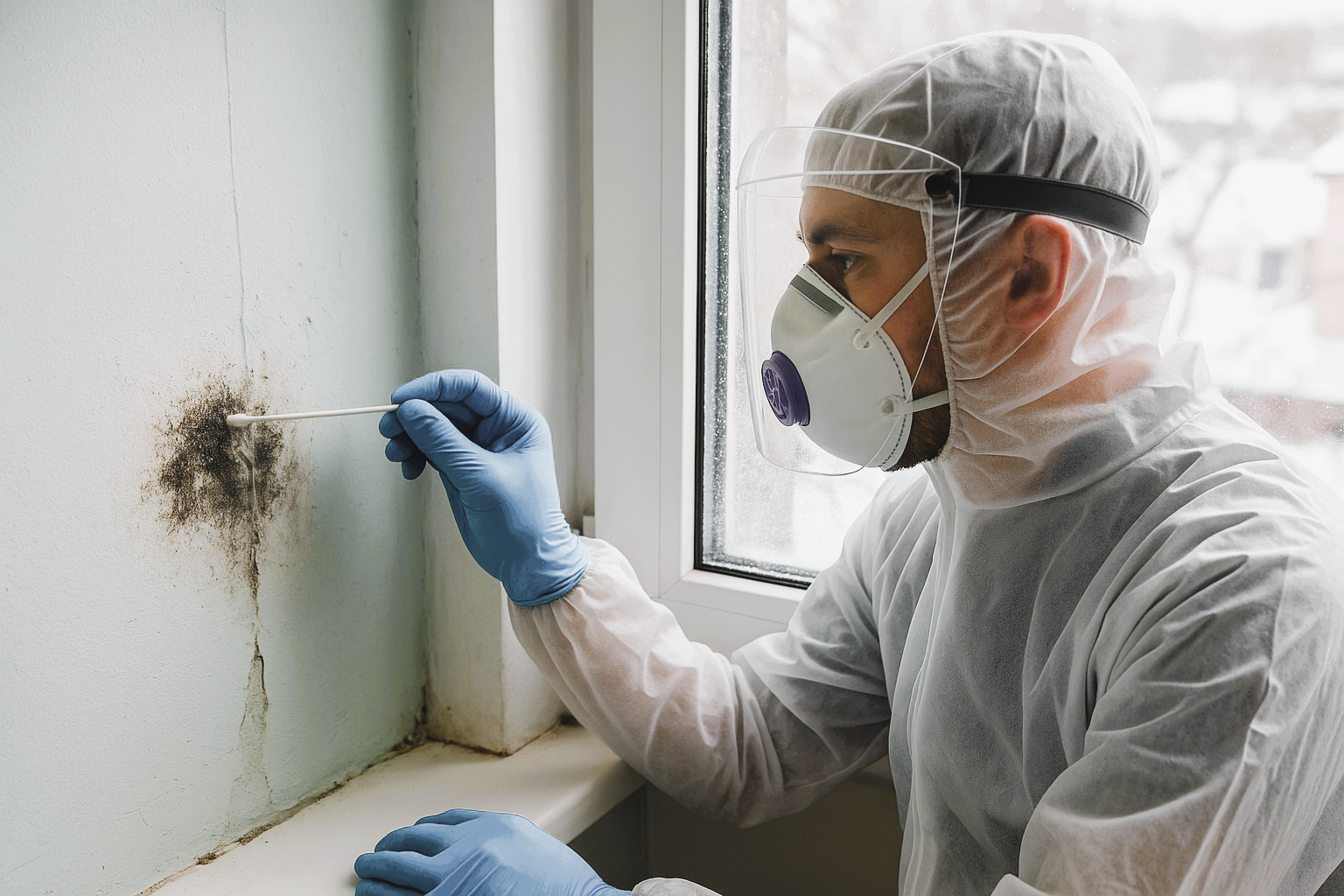
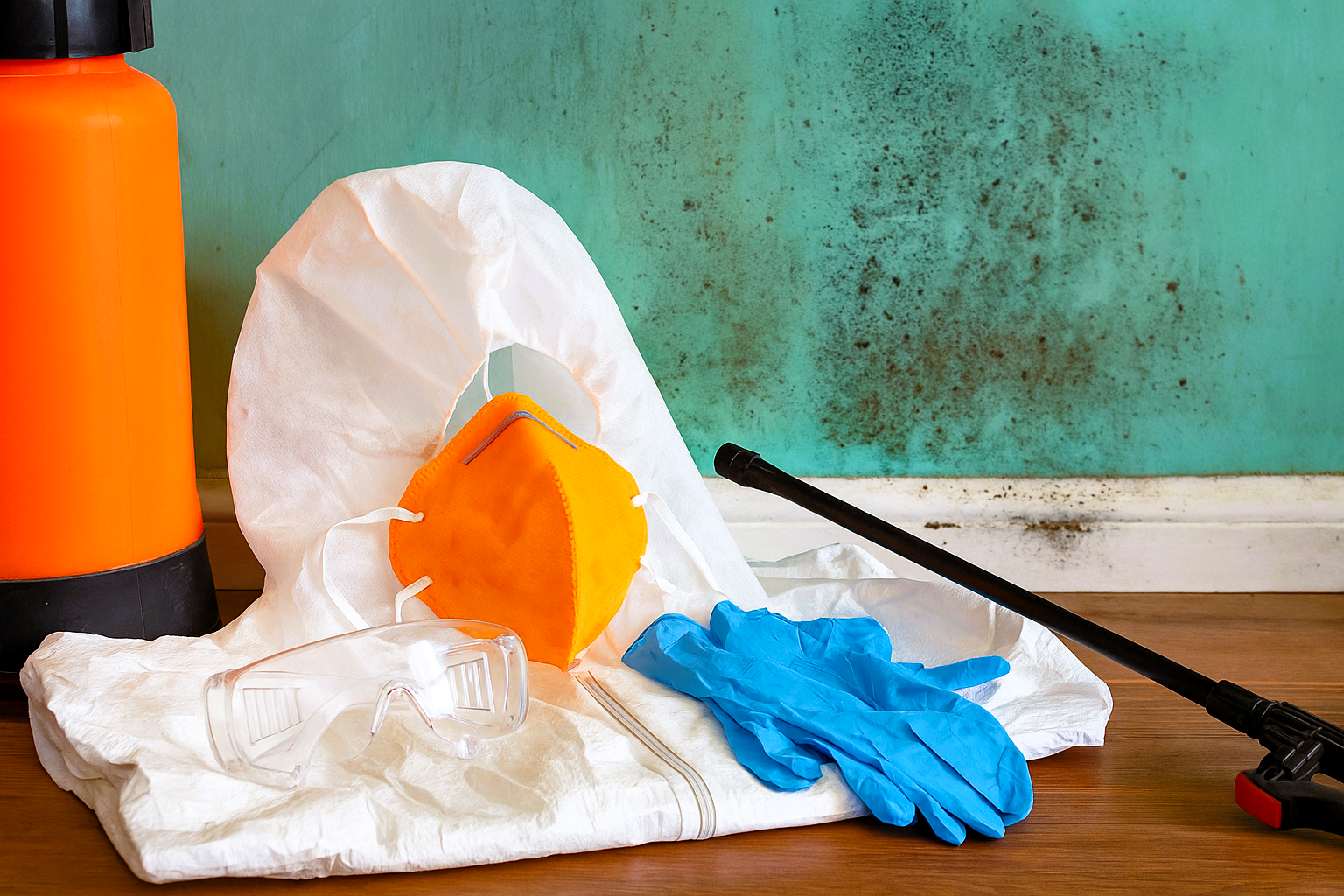
- Skip the DIY cleanup for anything beyond a small patch—it can actually make things worse
Call the Local Experts Who Know Grand Rapids Homes
Dealing with mold isn’t fun, but you don’t have to handle it by yourself.
At Grand Rapids Mold Relief, we’ve seen it all—flooded basements, leaky attics, crawl spaces, and more. We know how to track down hidden mold, remove it safely, and make your home a healthy place for your family again.
Don’t wait until symptoms get worse.
Call Grand Rapids Mold Relief today for an inspection and get back your home—and your peace of mind.