How to Clean Mold in Kitchen Cabinets in Grand Rapids: A Homeowner’s Guide
What to do when you find mold inside your kitchen cabinets
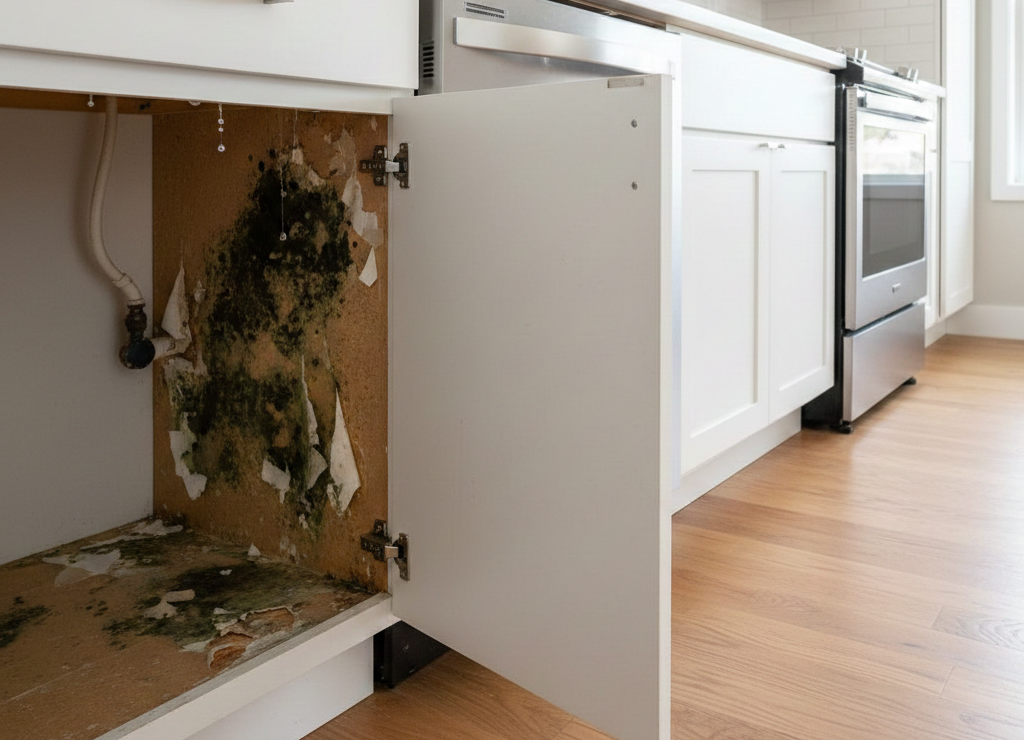
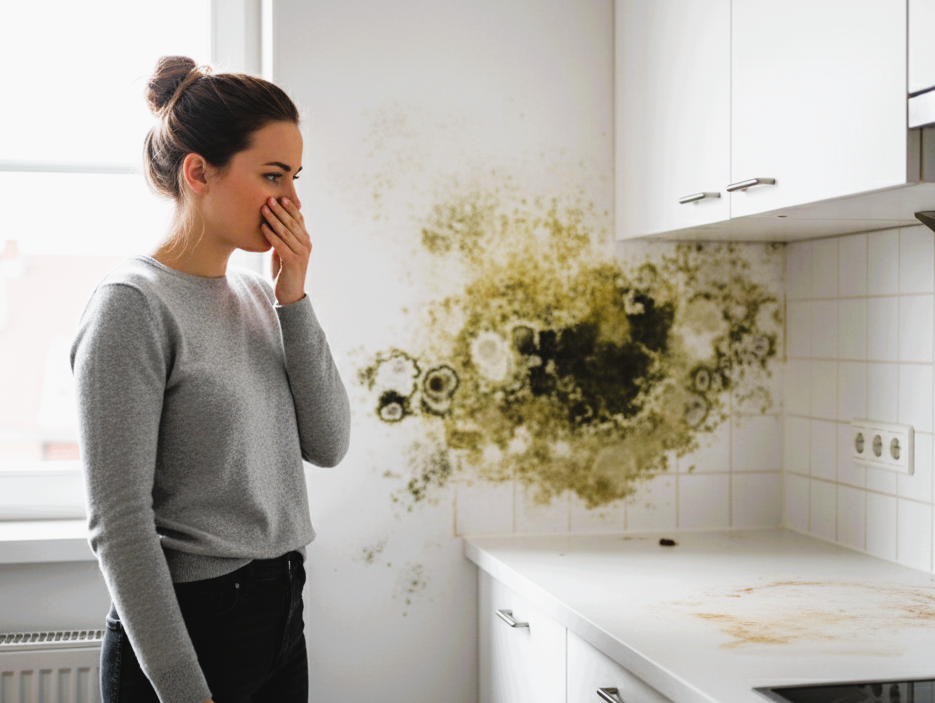
Finding mold in your kitchen cabinets is never a great surprise. Everything looks fine one morning, and by evening, shadowy marks and a damp, earthy smell have crept in. It’s frustrating, a little unsettling, and yes—it can affect both your cabinets and your family’s health.
In Grand Rapids, Michigan, this problem isn’t uncommon. Between humid summers, everyday spills, and the occasional plumbing leak, kitchen cabinets can become a perfect hiding place for mold. Luckily, many minor mold infestations can be safely addressed at home if you understand the proper approach.
This guide walks you through how to spot mold, clean it properly, and keep it from coming back—without overcomplicating the process.
Step 1: Spot the Mold Early
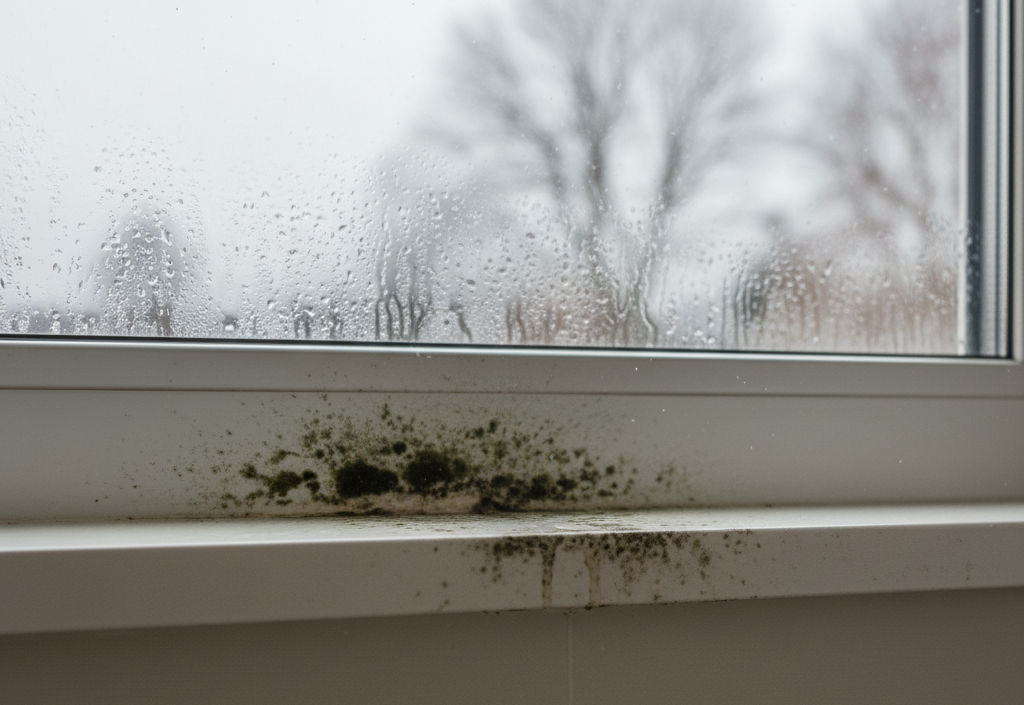
Mold rarely announces itself. Instead, it sneaks into corners, hides under shelf liners, and lurks behind stacked dishes or cleaning supplies.
Watch for dark, green, or fuzzy spots on your cabinets, and stay alert to any lingering damp or musty odors—they’re a clear warning sign. Sometimes the wood may even feel soft or slightly warped. Catching mold early makes cleanup much easier and helps stop it from spreading throughout your kitchen.
Step 2: Protect Yourself First
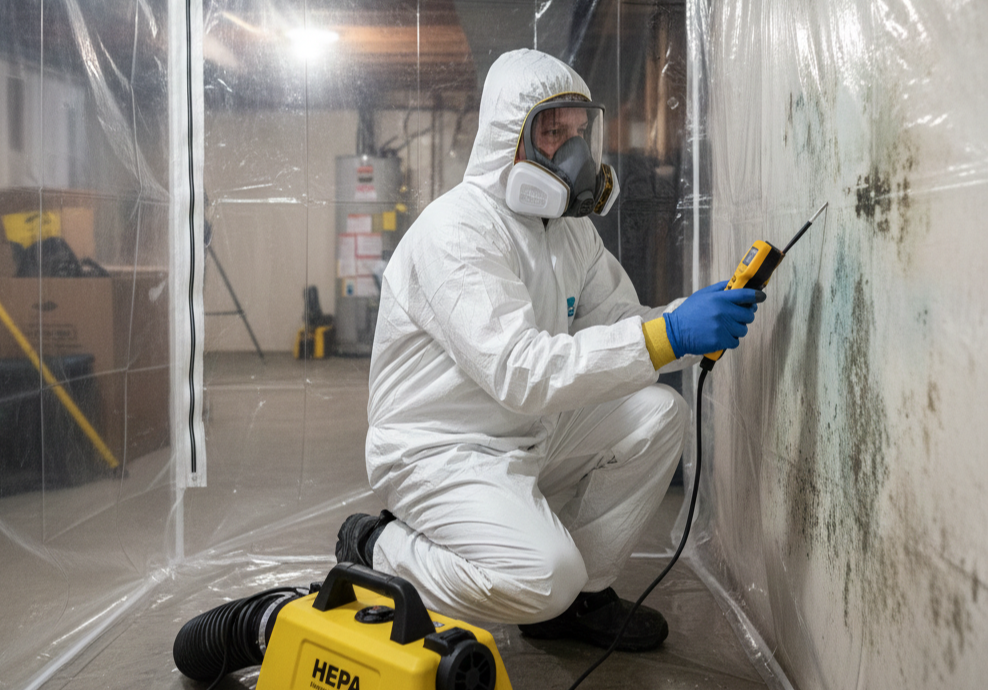
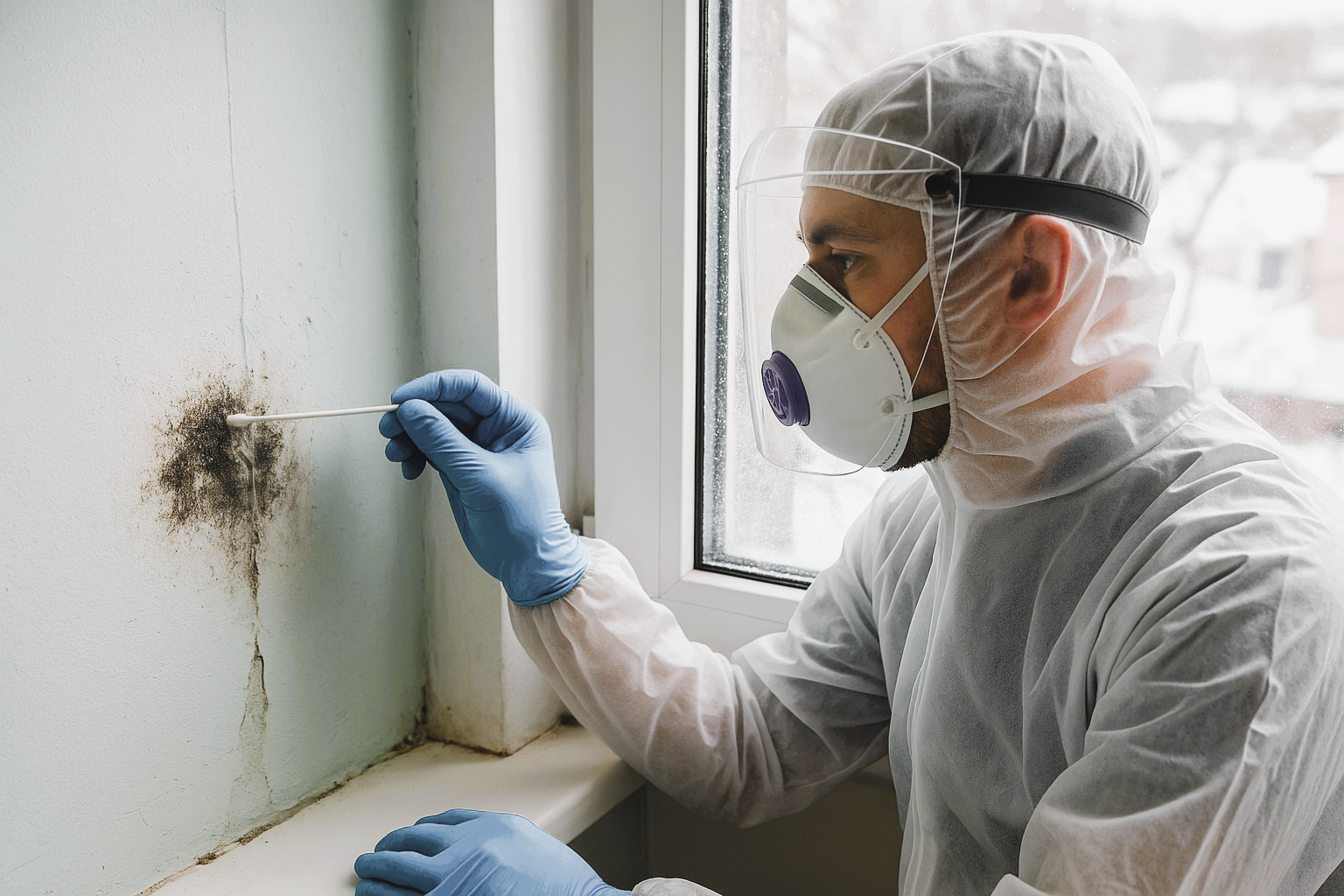
Even small mold patches can release spores that irritate your skin, eyes, and lungs. Give yourself a moment to put on the right safety gear before you begin.
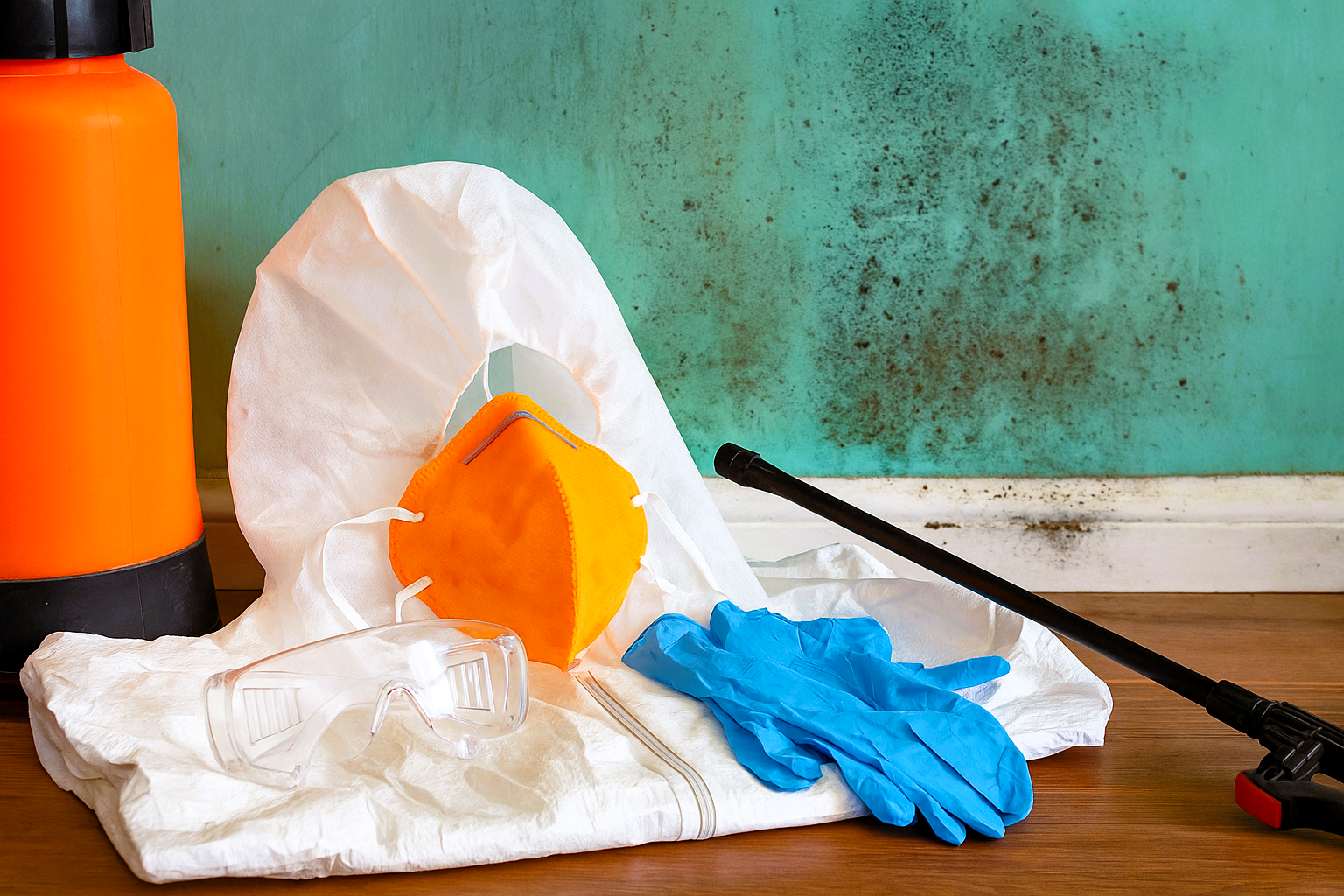
Put on gloves, wear a mask or respirator, and use eye protection if you have it. Single-use cloths or paper towels are ideal because you can simply throw them away after use. Think of it like suiting up before a messy job—it’s a simple step that goes a long way.
Step 3: Empty and Inspect the Cabinets
Clear everything out of the affected cabinets so you can see the full picture. As you remove items:
- Sort carefully: Toss anything contaminated, especially old food or porous containers.
- Look deeper: Check under shelf liners, along seams, and in back corners.
- Document damage: If mold looks extensive, take photos. They can help with insurance claims or professional evaluations later.
An empty cabinet is much easier to clean—and it keeps mold from spreading to your belongings.
Step 4: Eliminate Moisture
Mold loves moisture, so cleaning without drying the area first is like mopping with the faucet still running.
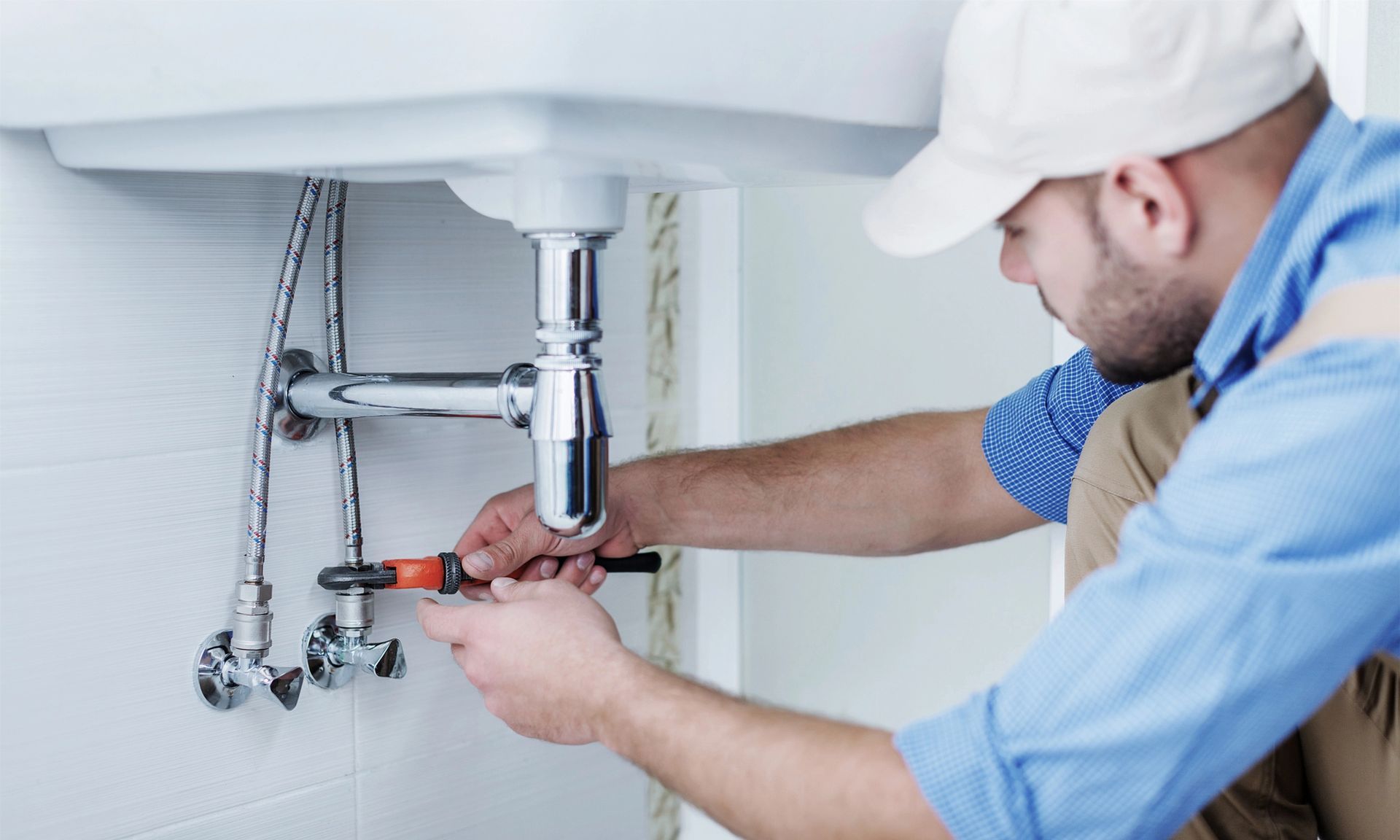
Inspect for any leaks beneath the sink or behind the dishwasher. Use fans or a dehumidifier to dry the cabinets completely, and ensure the area stays well-ventilated. Skipping this step makes it likely that mold will come back, no matter how thoroughly you clean.
Step 5: Pick the Right Cleaning Solution
You don’t need anything extreme to tackle most cabinet mold. Here are some solutions that deliver results:
- White vinegar: A safe, natural solution that fights a wide range of mold
- Baking soda: Perfect for scrubbing surfaces and banishing unwanted smells
- Commercial mold cleaners: Useful for tougher spots—just follow the label directions
Before applying anything, test a small hidden area first, especially on painted or laminated cabinets.
Step 6: Clean the Mold Carefully
Now it’s time to clean. Go at a steady pace and follow this guide:
- Coat the surface with your cleaner and let it sit for 10–15 minutes
- Use a soft cloth or brush to lightly scrub the area
- Lightly wipe the spot with a wet cloth until clean
- Treat stubborn areas as often as required
Keep away from coarse cleaning implements. They can damage cabinet surfaces and make mold more likely to return.
Step 7: Dry and Disinfect
Once the mold is gone, drying is critical. Use a clean, dry cloth to wipe surfaces, and keep cabinet doors open to boost ventilation. For added safety, follow up with a disinfectant once cleaning is complete.
Keep in mind, it was excess moisture that started all of this. Keeping cabinets dry is one of the best ways to keep mold away for good.
Step 8: Make Mold a Thing of the Past
Just a handful of small routines can have a major impact:
- Wipe cabinets after cooking or spills
- Use moisture absorbers or silica packets inside cabinets
- Check regularly for leaks, condensation, or humidity buildup
Prevention takes far less effort than repeated cleanups—and saves you stress in the long run.
Step 9: Recognize the Right Time to Bring in an Expert
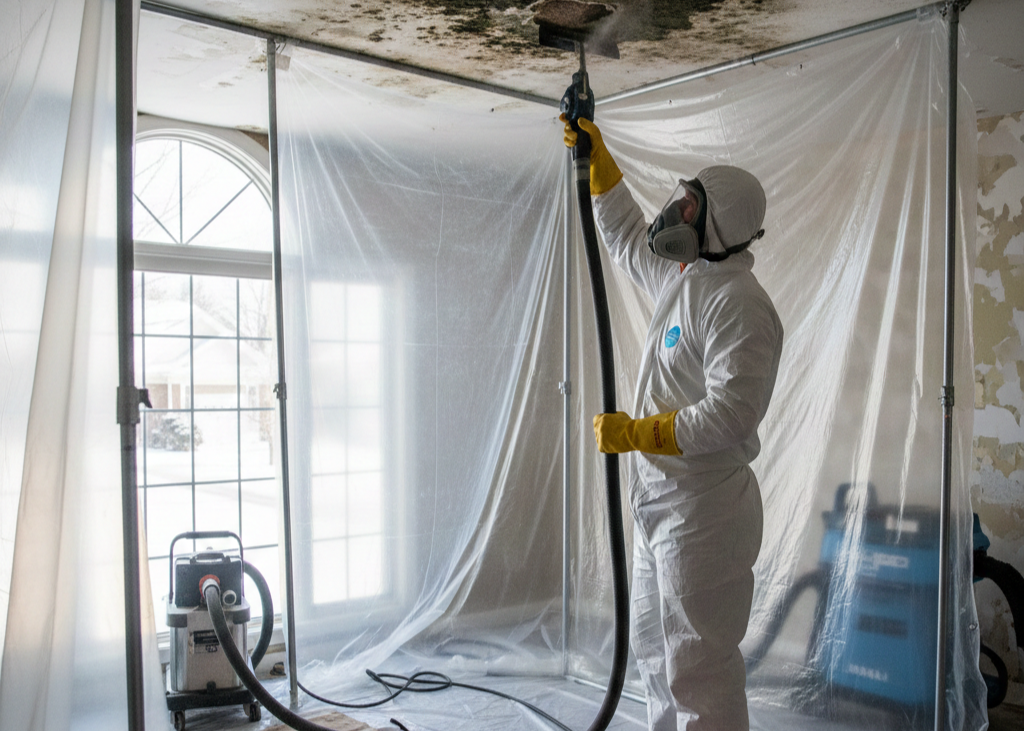
Sometimes mold goes beyond a simple DIY fix. If it keeps returning, spreads behind walls, or shows up under cabinets, it’s time to bring in professionals.
For homeowners in Grand Rapids, Michigan, Grand Rapids Mold Relief is a trusted local option. Our team can assess the situation, remove mold safely, and identify hidden moisture problems so it doesn’t come back.
Final Thoughts
Dealing with mold in your kitchen cabinets can feel overwhelming, but taking action early makes all the difference. With proper cleaning, good moisture control, and regular checks, you can protect your cabinets and keep your kitchen healthy.
If mold becomes persistent or widespread in your Grand Rapids home,
reaching out
to Grand Rapids Mold Relief is a smart move. Our local expertise can help restore your kitchen—and your peace of mind. A mold-free kitchen isn’t just cleaner. It creates a safer, healthier, and more pleasant environment for everyone living under your roof.