How to Detect Mold in Your House—and Why It Matters More Than You Think
What simple steps you can take to spot mold before it spreads

Mold has a sneaky way of showing up when you least expect it. One day your home looks perfectly fine. The next, there’s a musty smell you can’t place or a dark spot creeping along the wall. Often, mold hides where you’re not looking—behind walls, under sinks, or in damp corners you rarely think about.
And it’s more than just an eyesore. Mold can mess with your health, weaken your home, and even hurt its value. If you live in Grand Rapids, our humid summers and snowy winters create the perfect storm for mold growth. Simply put, homeowners in the area may be more vulnerable to mold than they think.
This guide walks you through how to spot mold, why acting quickly matters, and what you can do to stop it before it spreads. By the end, you’ll have the confidence to spot trouble areas in your home and know when it’s smart to bring in a professional team.
Understanding Mold: How It Grows and Why It’s Common in Homes
Think of mold as an uninvited guest that loves hiding in damp corners. Its tiny spores float through the air and quietly settle on things like walls, carpets, and even your clothes. While some molds won’t hurt you, others can make family members sneeze, cough, or struggle with asthma.
Left alone, mold doesn’t just sit there. It eats away at building materials, slowly causing damage that can turn into costly repairs.
In Grand Rapids, the mix of rainy summers, snowy winters, and humidity trapped indoors makes basements, bathrooms, and poorly ventilated areas especially vulnerable.
The Real Reasons Early Mold Detection Matters
The sooner you find mold, the easier it is to protect your home and your health. Here’s why it’s worth paying attention.
1. Protecting your family’s health
Mold exposure can cause sneezing, coughing, itchy eyes, headaches, and breathing problems. Mold tends to affect the youngest, oldest, and those with breathing sensitivities more quickly. The sooner you spot mold, the faster you can reduce these risks.
2. Protecting your home
You might see a tiny damp spot and think it’s no big deal, but mold sees it as an all-you-can-eat buffet. It spreads fast through drywall, wood, and insulation, quietly damaging your home. What starts small can quickly become an expensive problem.
3. Protecting your home’s value
When it comes time to put your house on the market, mold can quickly turn buyers away. It can delay a sale, lower your appraisal, or scare people off entirely. Dealing with it early helps keep your home in top shape.
How to Know If Mold Is Sneaking Around Your Home
Certain types of mold reveal themselves with visible patches or discoloration. Other times, it hides behind walls, ceilings, or appliances. Keep an eye out for these common warning signs:
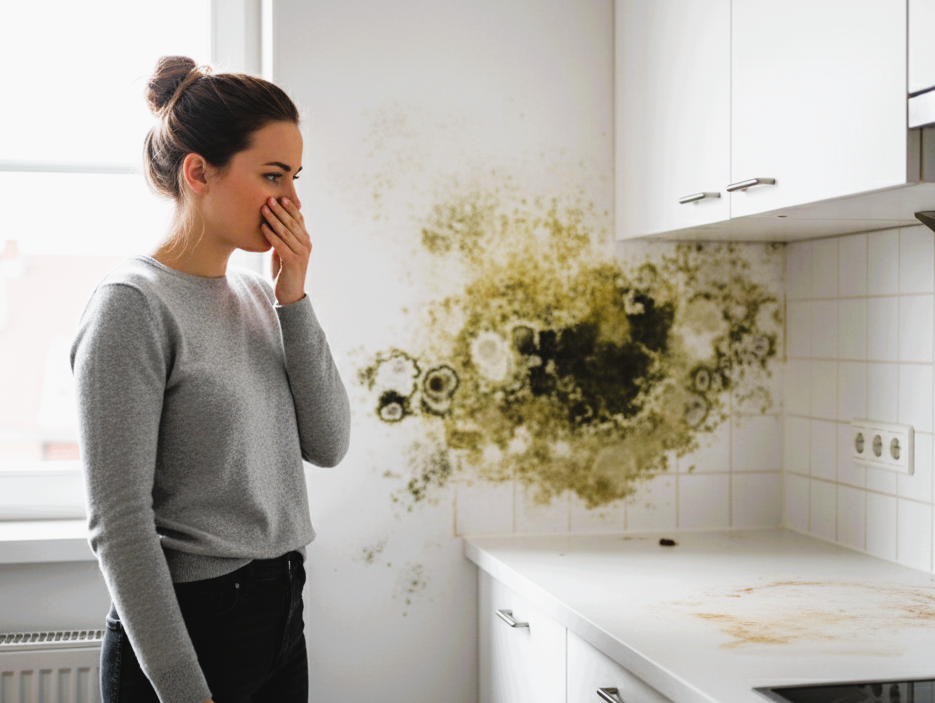
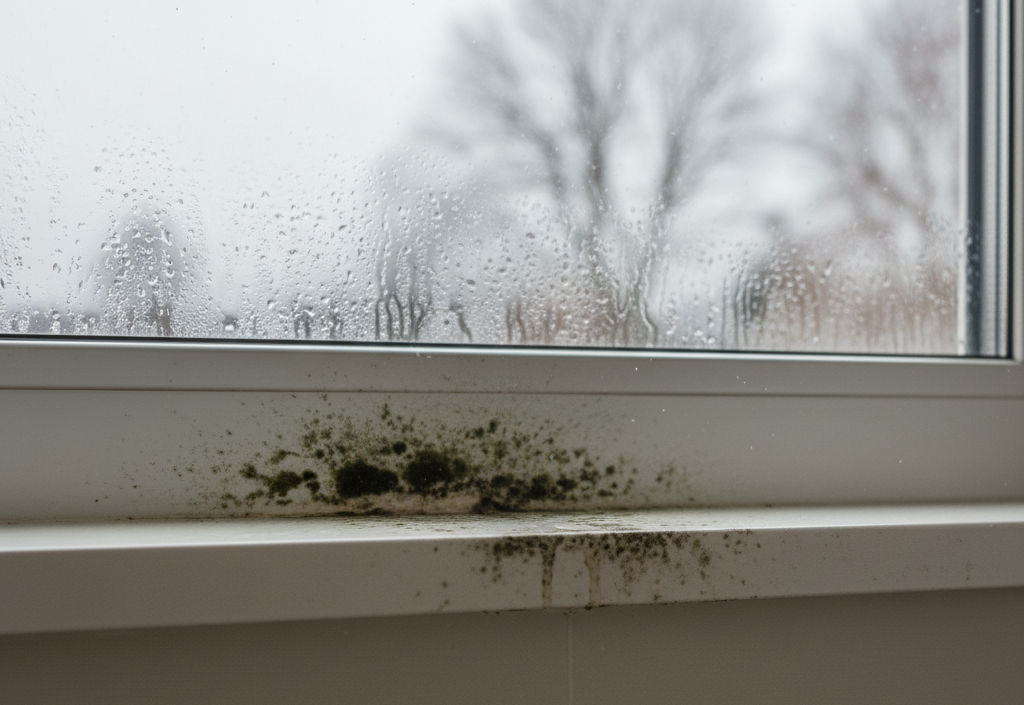
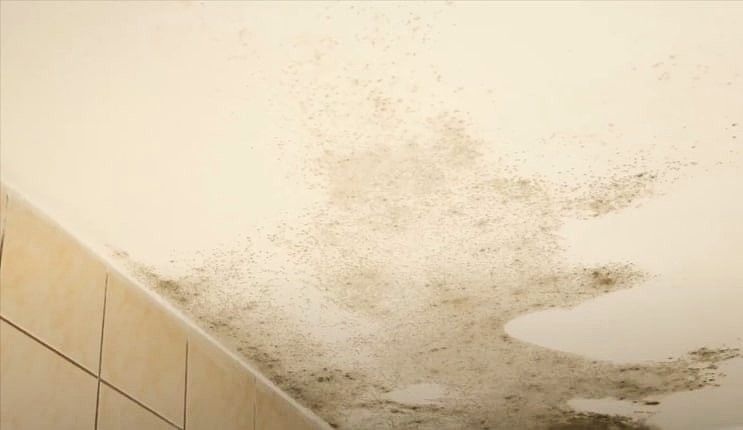
- Visual clues: Black, green, white, or fuzzy patches on walls, ceilings, baseboards, or near windows
- Musty odors: A damp, earthy smell that doesn’t go away often points to hidden mold
- Health symptoms: Sneezing, coughing, itchy eyes, or breathing issues that get worse indoors
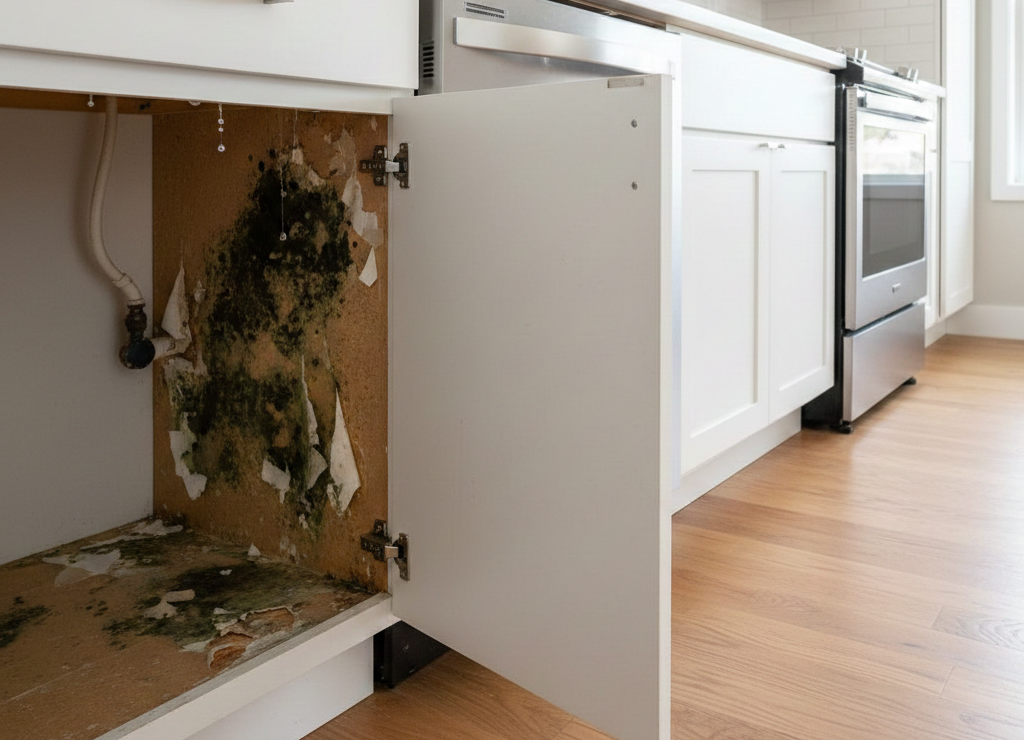
- Water damage: Stains, bubbling paint, peeling wallpaper, or condensation around plumbing and windows
If something feels “off,” it probably is.
Common Mold-Prone Areas in Your Home
Mold loves moisture and poor airflow. In many Grand Rapids homes, these areas deserve extra attention:
- Basements and crawl spaces – Dark, cool, and often damp
- Bathrooms and laundry rooms – Showers, tubs, and washers create constant moisture
- Kitchens – Under sinks, behind dishwashers, and near refrigerators
- Attics – Poor ventilation and winter snowmelt can cause condensation
- Windows – Cold winters lead to condensation that mold loves
How to Detect Mold Yourself
Simple DIY Checks
You don’t need fancy equipment to start looking:
- Use a flashlight to inspect dark corners, under sinks, and behind furniture
- Check indoor humidity with a hygrometer—anything above 50% encourages mold growth
- Look closely for leaks, water stains, or damp spots where water might linger
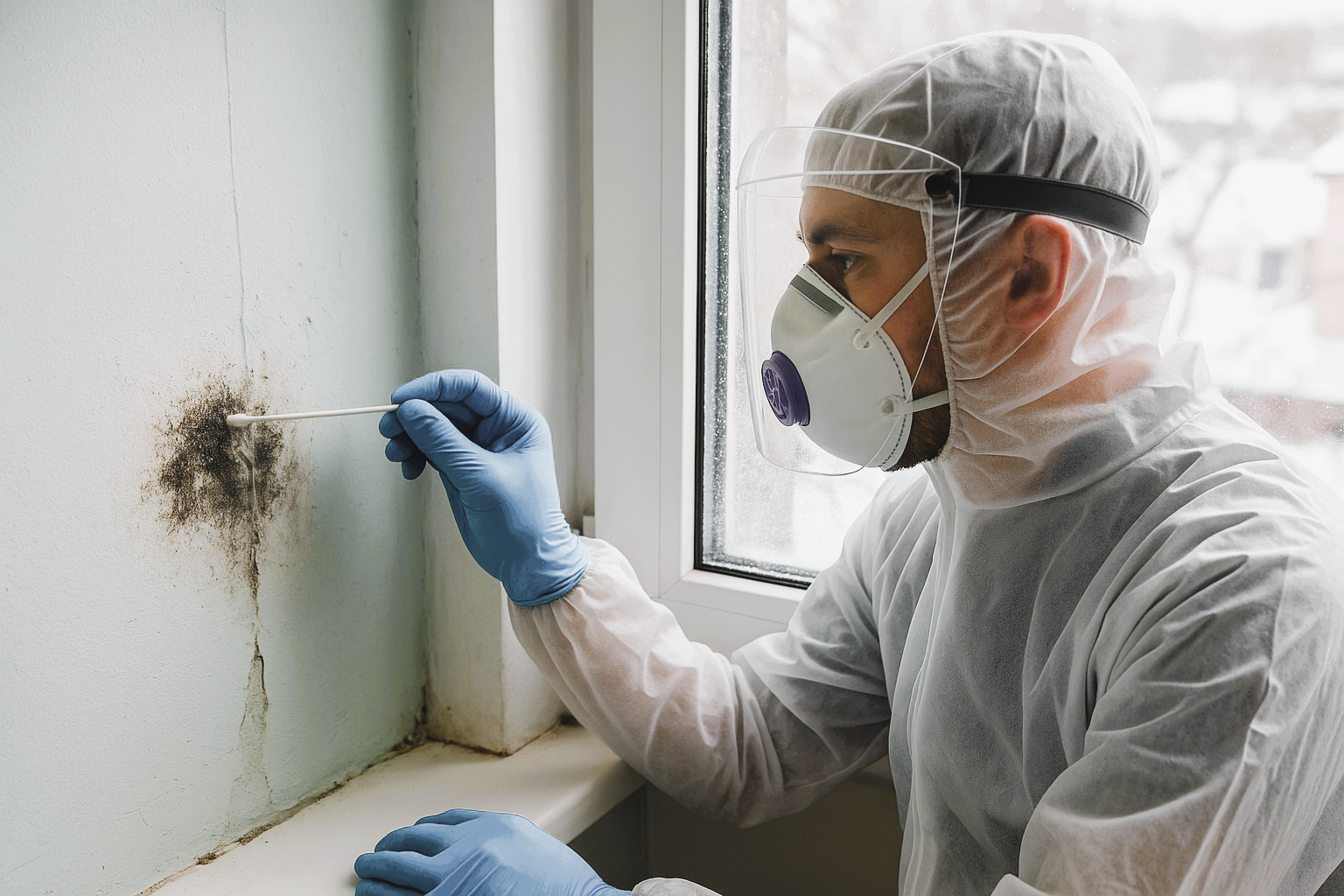
When It’s Time to Call a Professional
Some mold stays hidden inside walls or HVAC systems. If you notice:
- Persistent musty smells
- Unexplained health symptoms
- Large mold patches (over 10 square feet)
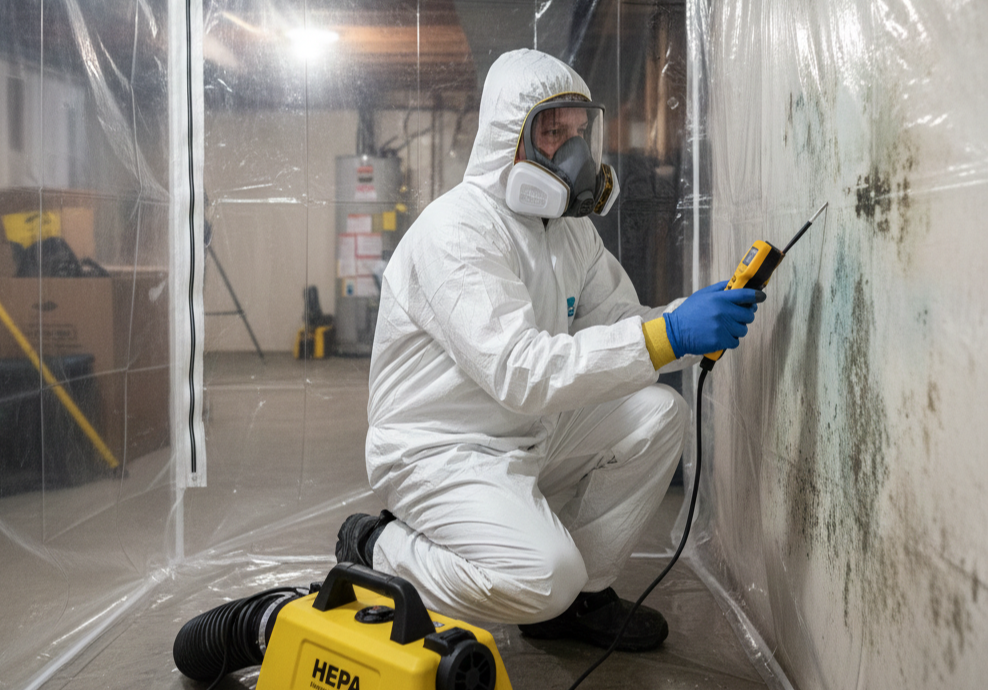
…it’s best to call in the experts. Professionals can find hidden mold, remove it safely, and stop it from coming back.
How to Stop Mold Before It Has a Chance
Mold is easiest to deal with before it ever shows up. A few simple habits go a long way:
- Keep indoor humidity between 30–50%
- Vent bathrooms and kitchens during and after use
- Fix leaks right away—roof, plumbing, or windows
- Use a dehumidifier in damp areas like basements
- Clean moisture-prone spaces regularly
Think of prevention as routine maintenance for your peace of mind.
When You Should Call Grand Rapids Mold Relief
Don’t let mold linger unnoticed. Grand Rapids Mold Relief offers professional inspections and reliable expertise, ensuring every corner of your home is thoroughly checked. They can:
- Identify mold hidden in walls, floors, and HVAC systems
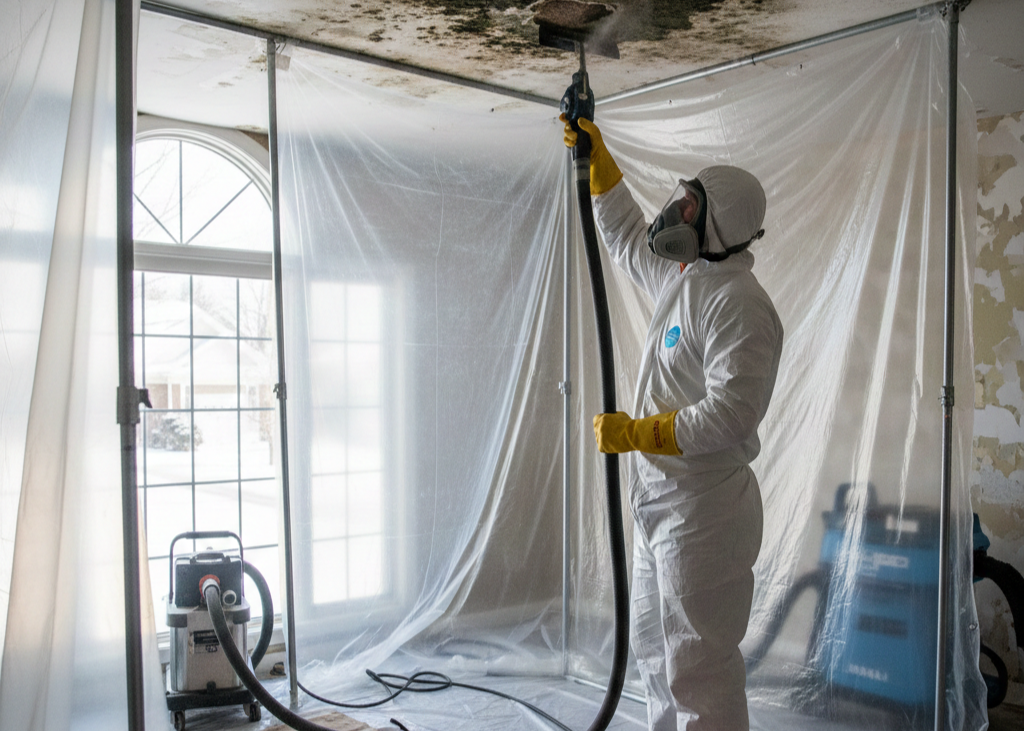
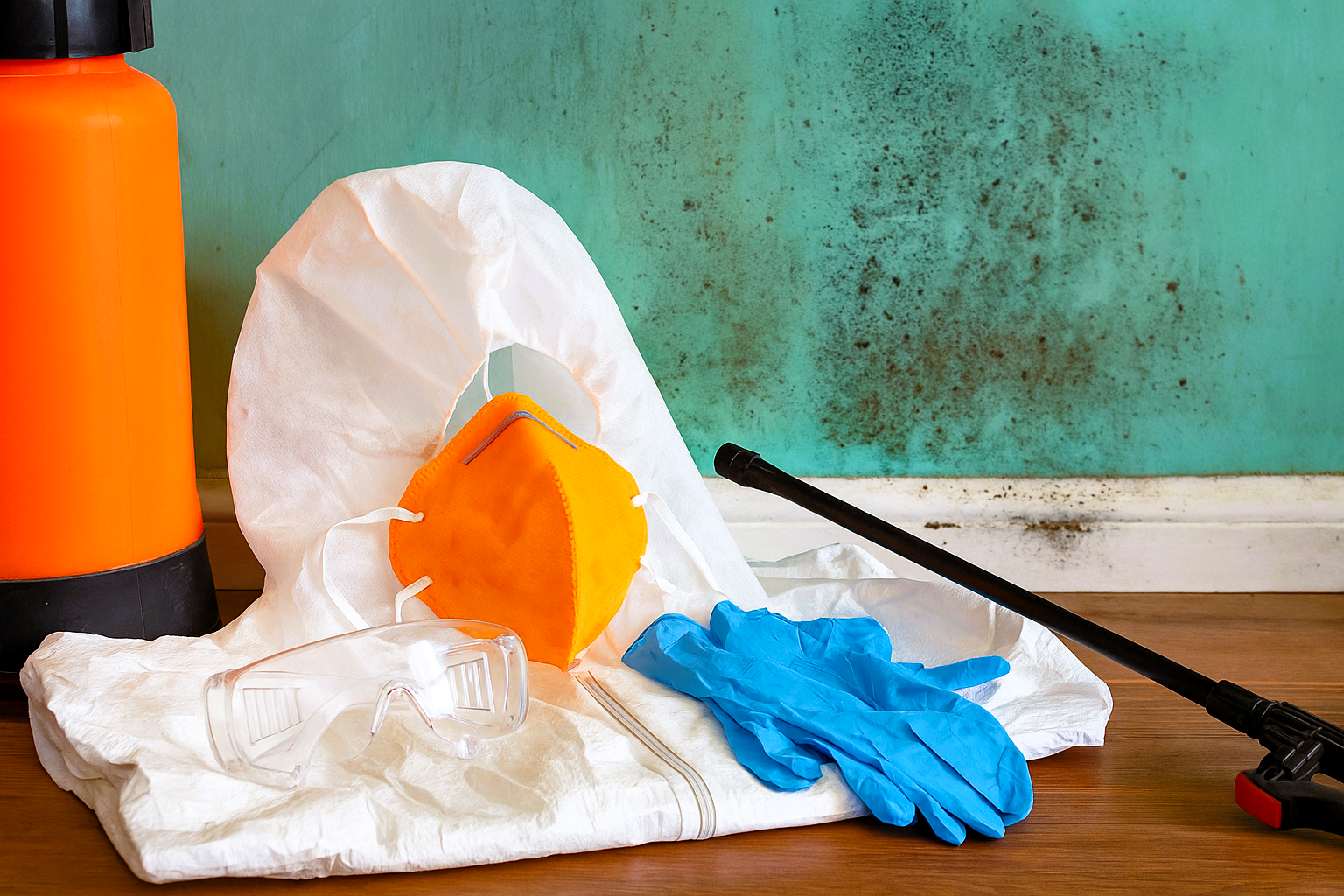
- Remove mold safely without spreading spores
- Help prevent future mold problems
Your home should be a safe place. Early detection can save you stress, money, and health concerns.
Reach out to Grand Rapids Mold Relief today for a thorough mold inspection and protect what matters most.
Final Thoughts
Mold might seem harmless at first, but it doesn’t stay that way. Unseen mold doesn’t just grow on walls — it can harm your health, weaken your home, and drain your budget. By learning how to detect mold and understanding why it matters, you can step in before small problems turn into expensive repairs.
For homeowners in Grand Rapids, staying alert is key. Inspect regularly, take preventive steps, and
call Grand Rapids Mold Relief when you need professional help. Your home—and your family—will thank you.