8 Signs You Might Need a Mold Remediation Specialist in Grand Rapids
What every Grand Rapids homeowner needs to know about mold warning signs
Mold isn’t merely an unsightly blemish on your wall to be overlooked. Left alone, it can quietly damage your home and mess with your health. And here in Grand Rapids, where moisture is practically part of the lifestyle, mold has plenty of chances to move in uninvited.
If you’ve been side-eyeing a strange smell, a growing stain, or those “why do I feel awful only at home?” symptoms, you’re not overthinking it. This guide walks you through eight clear signs it may be time to call a mold remediation specialist—before a small issue snowballs into a big one.
Why Mold Loves Grand Rapids Homes
Let’s be honest. Grand Rapids weather gives mold everything it wants.
Rainy springs.
Humid summers.
Snowy winters that melt and seep into places you rarely check.
That constant moisture makes certain areas especially vulnerable, including:
- Basements and crawl spaces with poor airflow
- Bathrooms and kitchens used every single day
- Attics and wall cavities hiding slow leaks
The tricky part? What you don’t see can hurt you—mold grows quietly, but early detection keeps your home and finances safe.
1. Persistent Musty Odor That Lingers
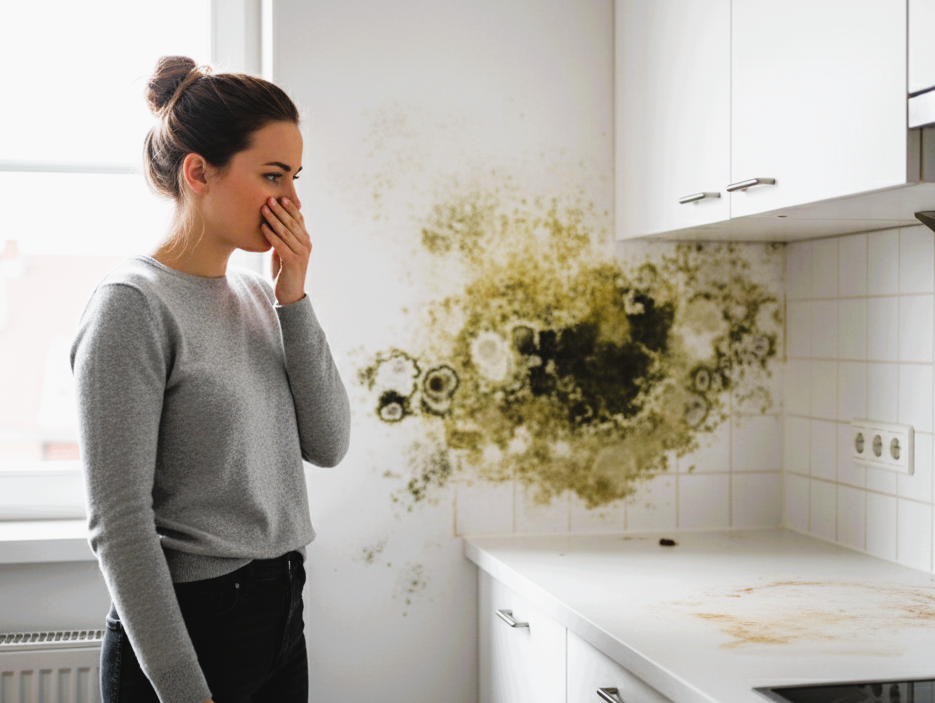
The moment you step inside, the room smells of damp earth and decay. You try a window, then a candle, yet the stubborn odor refuses to leave
One of the clearest indicators of hidden mold is that persistent, musty odor that won’t go away. It could be behind drywall, under flooring, or deep in your basement. Even if you can’t see anything yet, your nose knows something’s off.
2. Water Stains or Discolored Walls
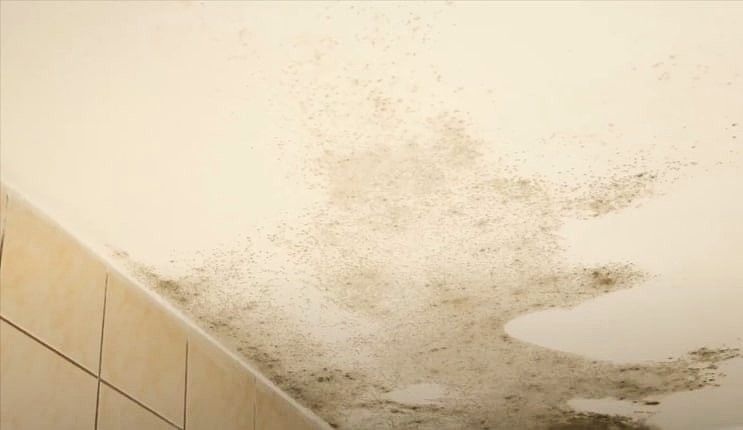
Discoloration on your ceiling—whether yellow, brown, or dark—signals more than mere cosmetic damage. They usually point to water damage, and where moisture hangs around, mold often follows.
Even a small stain deserves attention. Ignoring it now can mean bigger repairs later.
3. Visible Mold Spots
Sometimes mold doesn’t bother hiding.
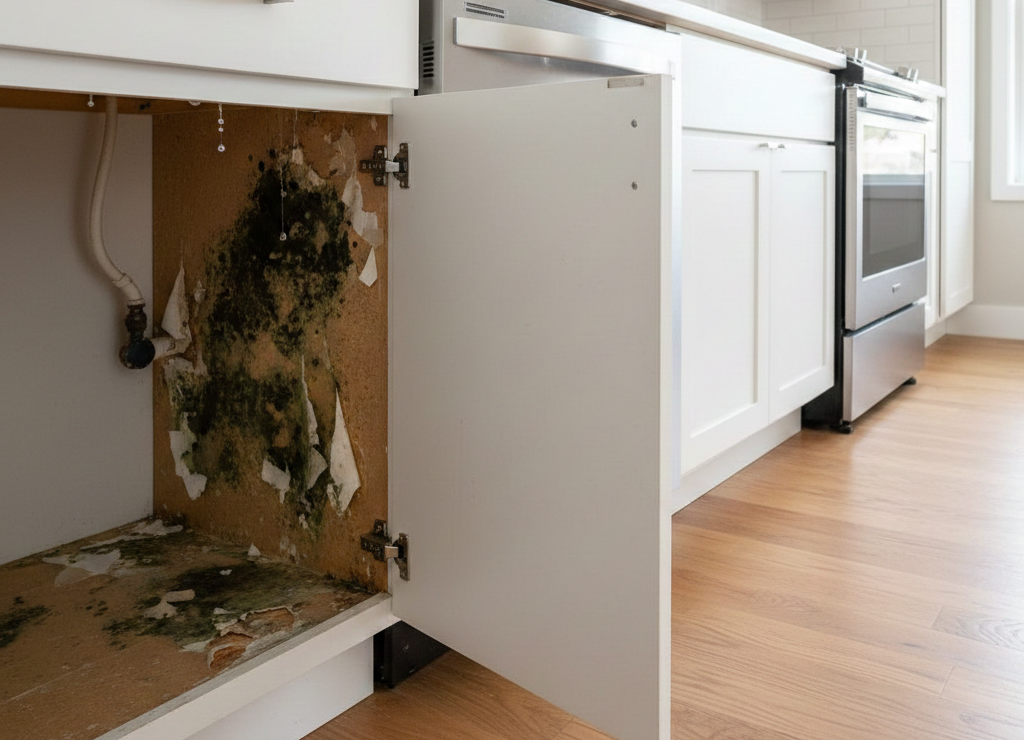
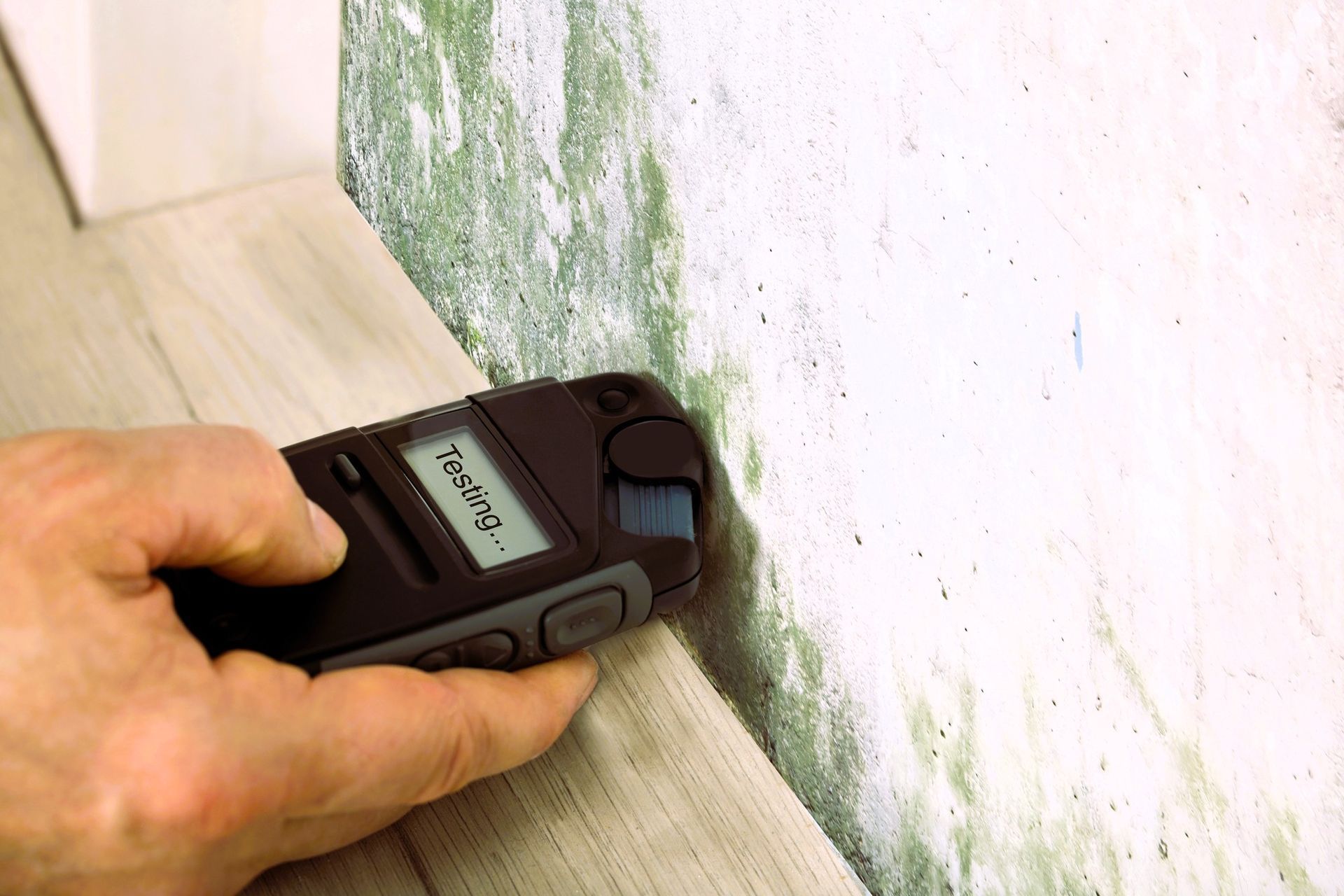
Fuzzy patches in black, green, or white appearing on walls, ceilings, wood, or in corners are a sure sign that something isn’t right. And while a tiny patch might not look alarming, mold spreads fast once it gets comfortable.
Acting sooner rather than later can make all the difference.
4. Sneezes and Itches That Strike Only Under Your Roof
If sneezing, itchy eyes, congestion, or breathing issues seem worse indoors, mold could be the culprit. Floating mold spores in the air can set off allergy-style reactions, particularly in children, the elderly, and those with asthma.
Feeling better when you leave the house? That’s not a coincidence.
5. Bubbling or Peeling Paint and Wallpaper
Paint doesn’t bubble for no reason. Peeling wallpaper isn’t a coincidence—it’s a warning sign.
These are common warning signs of water trapped beneath the surface. And moisture almost always invites mold to the party. What looks like a simple touch-up might be hiding a deeper problem underneath.
6. Soft, Warped, or Rotted Wood
Floors that feel spongy. Baseboards that crumble. Wood that looks warped or swollen.
Mold isn’t content to sit on surfaces—it actually consumes them. Over time, it weakens wood and can compromise parts of your home’s structure. That’s not something to brush off.
7. Recent Flooding or Water Leaks
Grand Rapids basements are no strangers to flooding when storms hit or snow melts. Add a burst pipe or slow leak, and mold can start spreading in just a day or two.
If your home has had water issues recently, checking for mold should be high on your list.
8. High Humidity or Constant Condensation
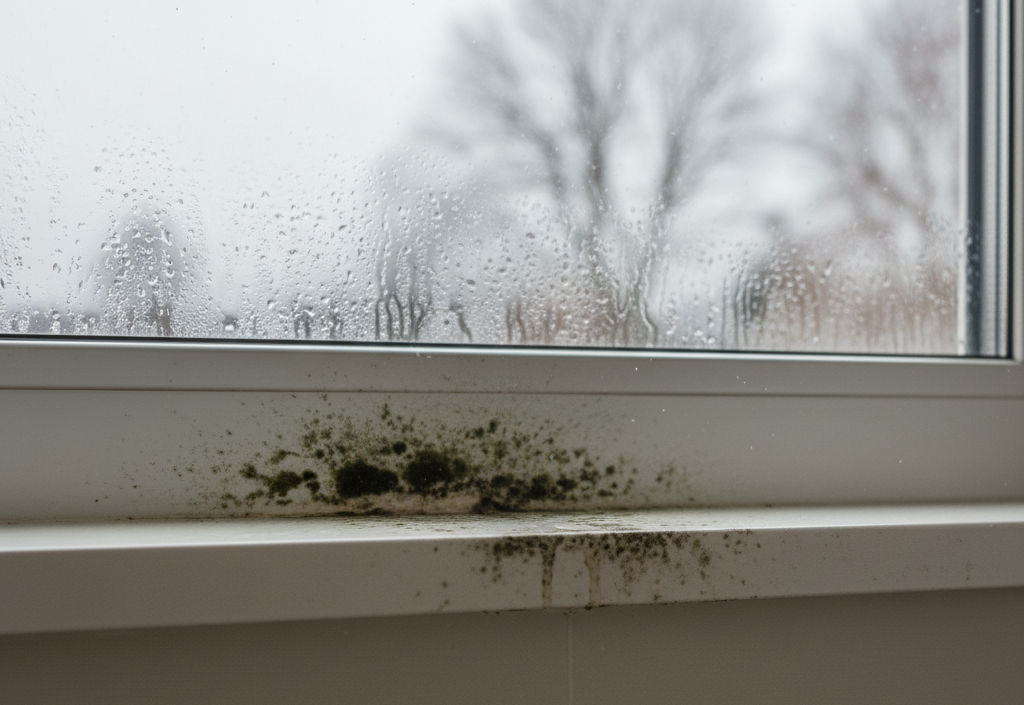
Foggy windows. Damp spots near pipes. A house that always feels humid.
Excess moisture creates the perfect environment for mold—even if you can’t see it yet. High indoor humidity is often the first step before visible mold appears.
Why DIY Mold Removal Isn’t Always Enough
Using a store-bought cleaner to tackle a tiny patch may feel like a quick and easy solution. Sometimes it is. But hidden or widespread mold needs more than elbow grease.
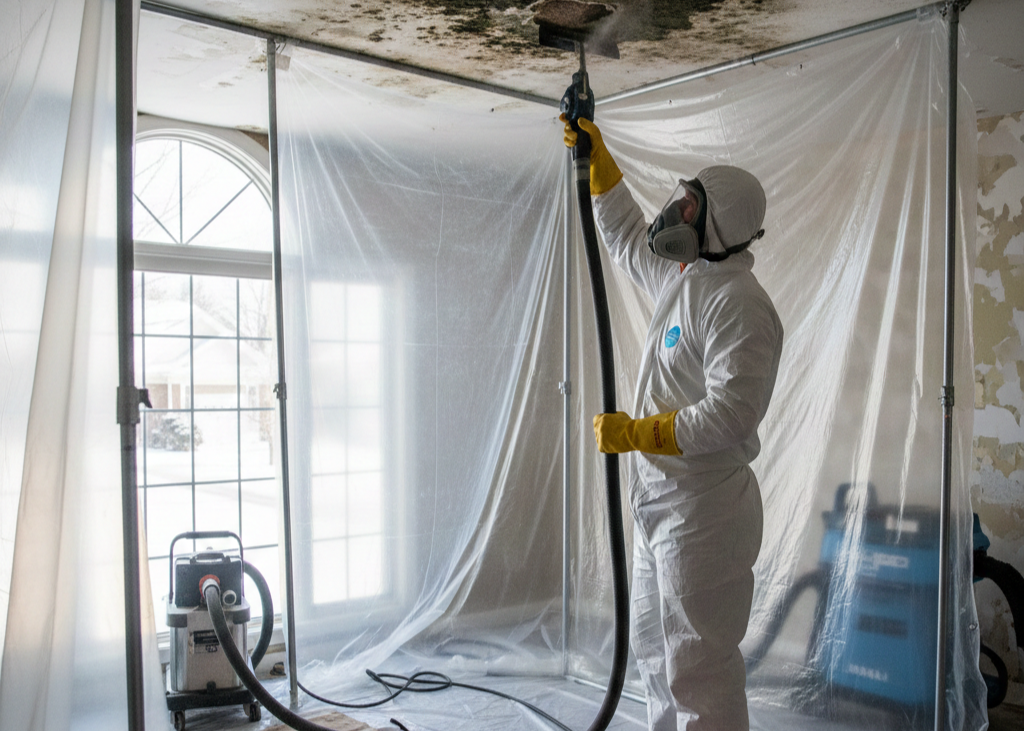
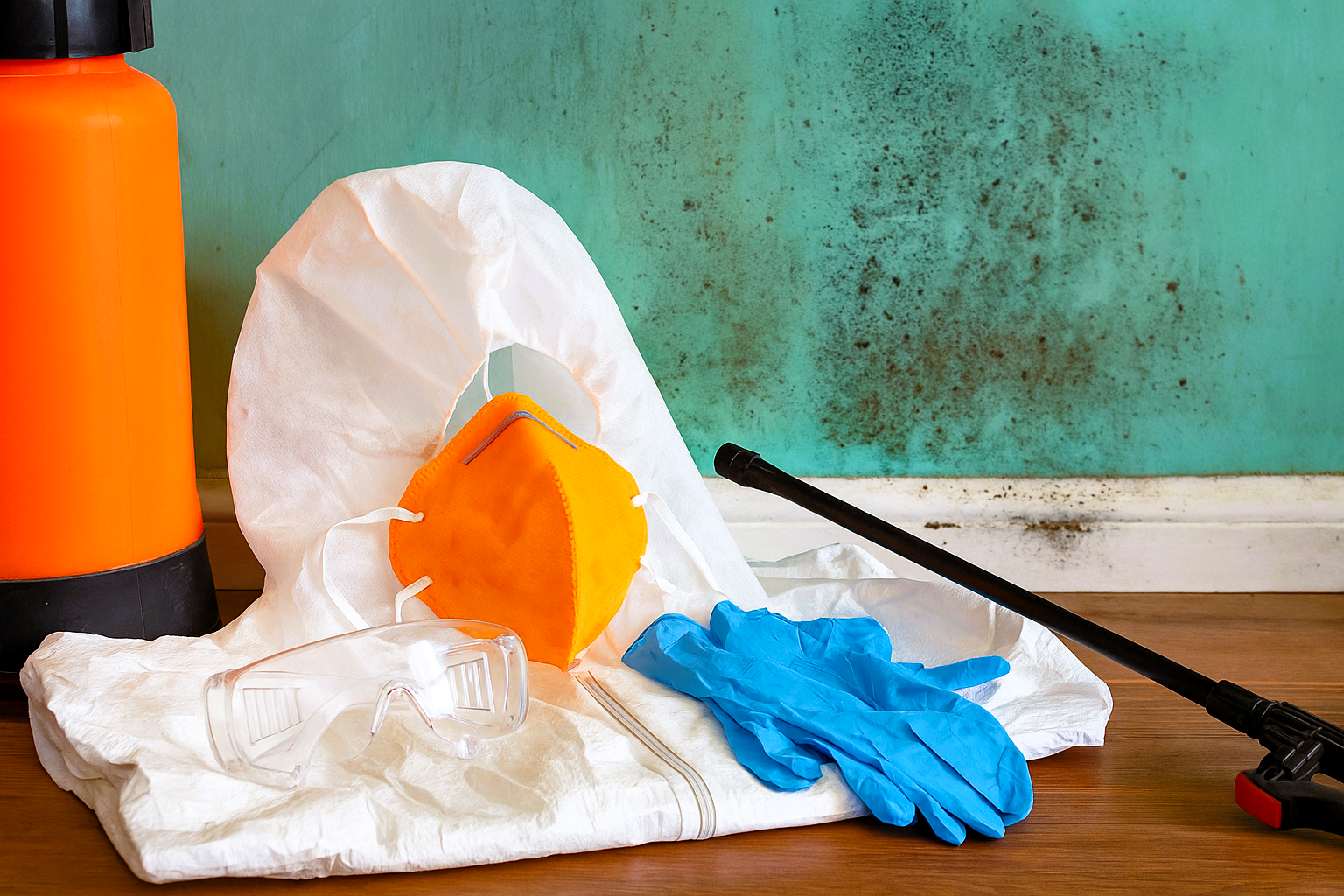
Attempting to remove mold yourself without the right tools and containment can actually disperse spores throughout your home, often making the situation worse instead of better.
What a Mold Removal Expert Can Do for Your Home
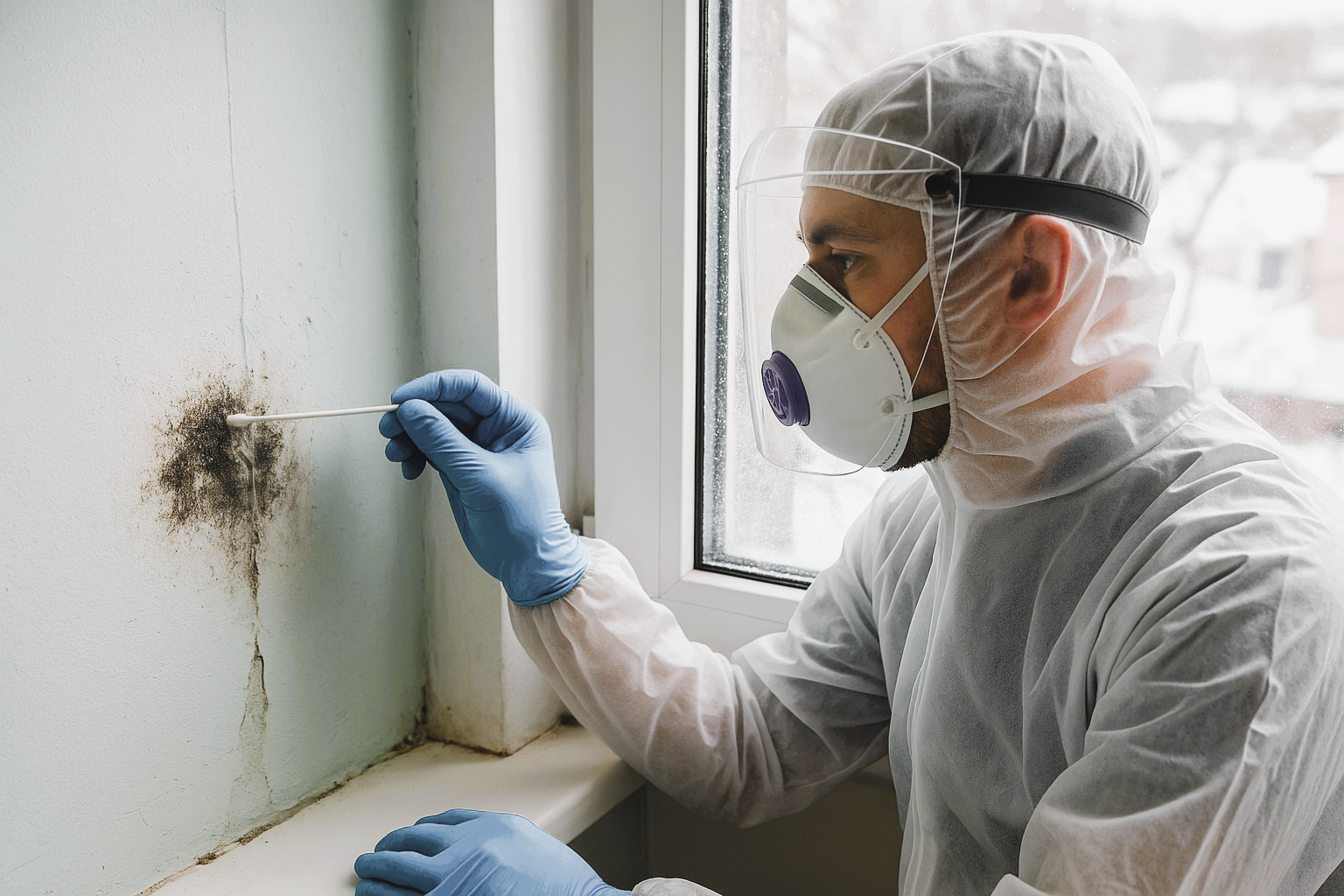
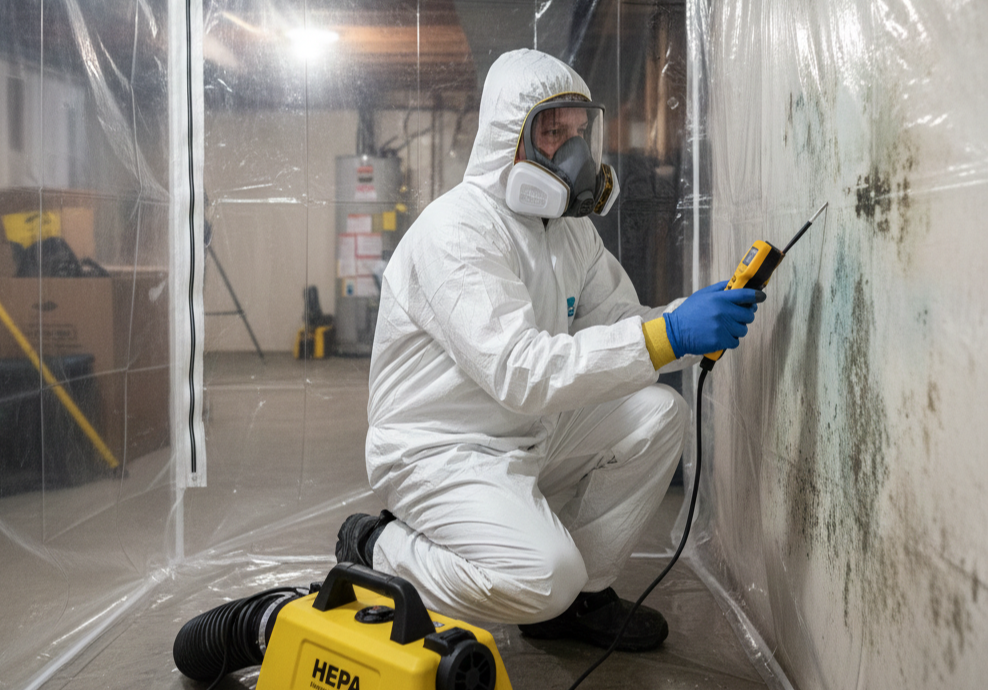
A professional mold remediation specialist doesn’t just treat what’s visible. They go deeper.
They can:
- Inspect your home and find mold in hidden areas
- Safely remove and contain mold to stop it from spreading
- Recommend repairs and prevention steps to keep it from coming back
The goal isn’t just cleanup. It’s protecting your home and your health long-term.
Take Action Today to Shield Your Home and Loved Ones from Mold
Mold rarely fixes itself—it needs action before it spreads. What starts small can turn serious faster than you expect.
Noticing musty odors, water stains, visible mold, or unexpected allergy symptoms? Don’t wait—address it immediately. Reaching out early can save you money, stress, and future repairs.
Reach out to Grand Rapids Mold Relief today for expert mold inspections and remediation services. Even minor warning signs are worth checking out. With the right experts on your side, you can breathe easier knowing your home—and your family—are protected.